


Since 1974, the Food and Agriculture Organization of the United Nations (FAO) has helped member countries make their research visible and accessible through the FAO AGRIS Network, a global platform providing millions of bibliographic records in 257 languages.
The network brings together hundreds of organizations worldwide, creating a multilingual collection of food and agricultural research, with special attention to work from the global South. It is a key resource for anyone seeking literature across FAO’s areas of interest.
16,723,079
2105
257
168
Explore FAO AGRIS by thematic areas
Select a theme below to explore curated research aligned with FAO priorities — each thematic area launches a pre-loaded search you can refine with filters.
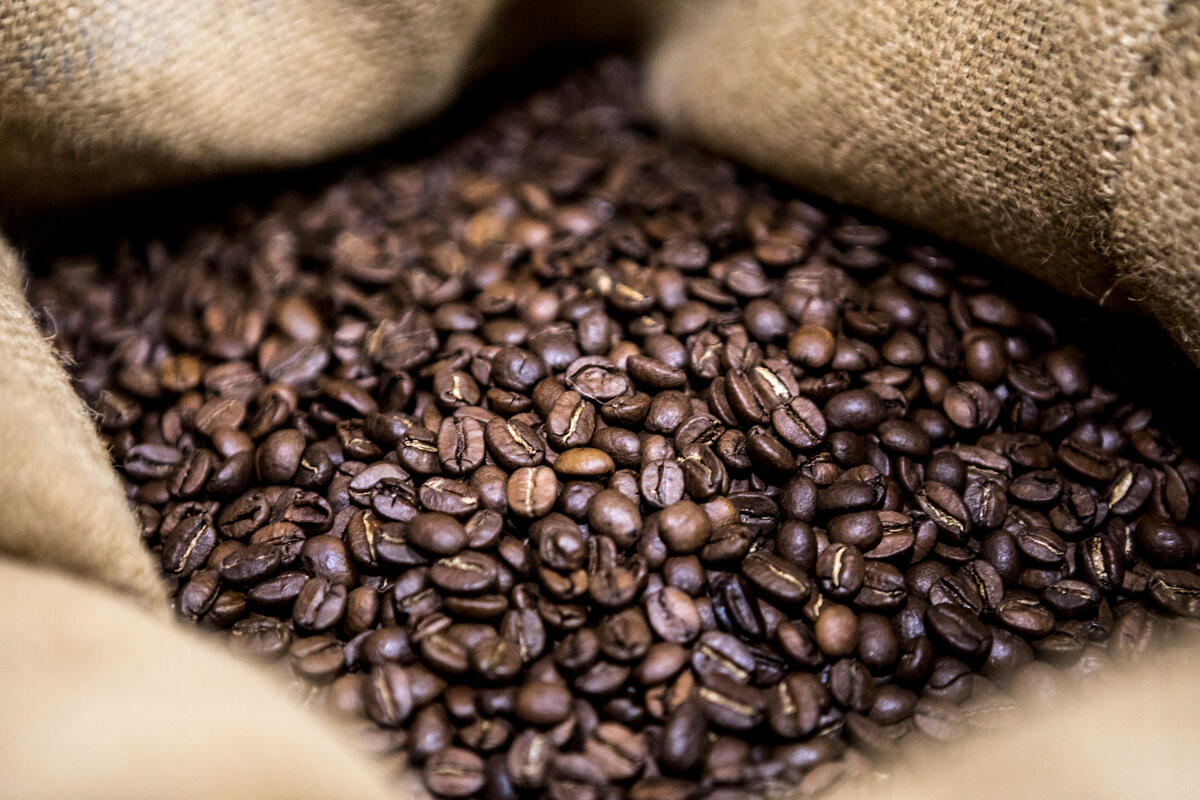
International Coffee Day
Explore research on coffee production, sustainability, livelihoods and value chains through FAO AGRIS.
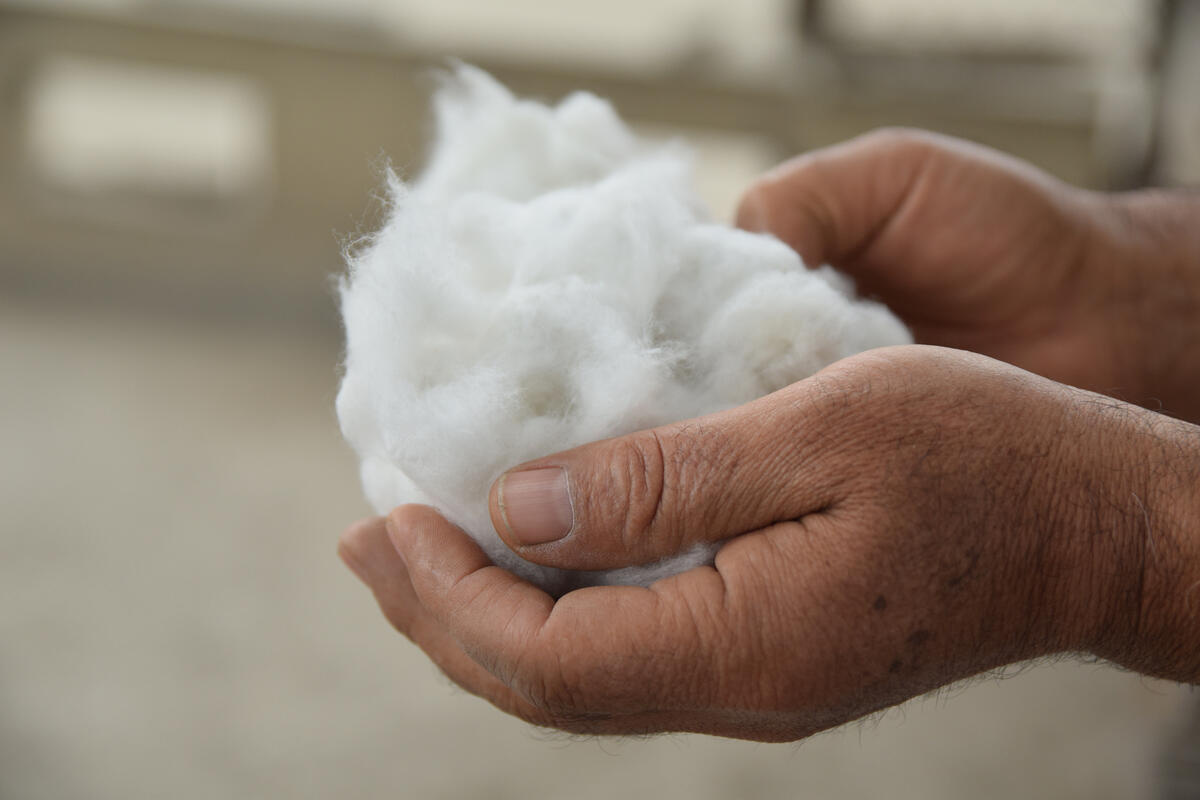
World Cotton Day
Discover research on cotton production, sustainable practices, livelihoods and value chains through FAO AGRIS.

International Day for Disaster Risk Reduction
Explore research on disaster risk, climate resilience and solutions for more resilient agricultural systems.
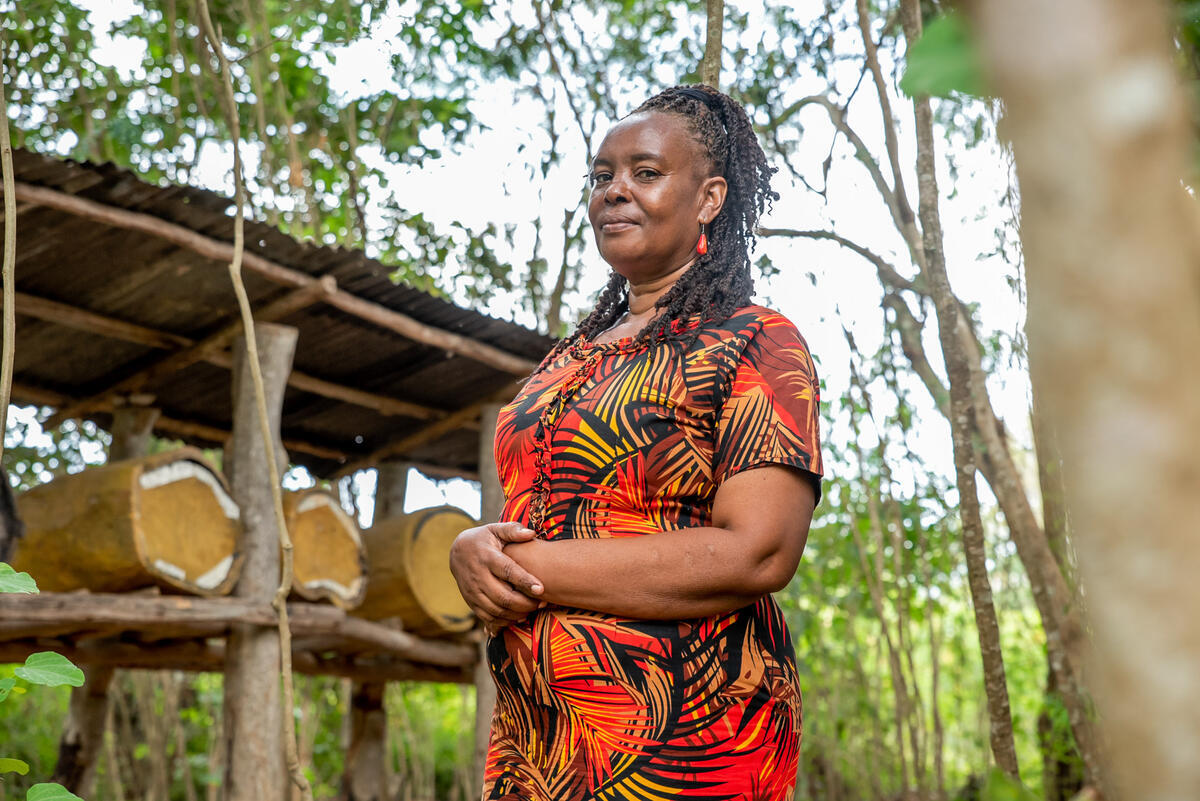
International Day of Rural Women
Discover research on rural women, agriculture, livelihoods and their role in resilient rural communities.
World Food Day
Discover research and innovation shaping more sustainable, resilient and inclusive agrifood systems.

Agrifood Systems
Browse research on agrifood systems and key topics shaping food and agriculture.
Who provides the data in the FAO AGRIS database?
A network of organizations, known as data providers, provide the records indexed in the database. Ranging from academic and research institutions, development programmes, and international and national organizations to governmental bodies, libraries and publishers, these data providers comprise the FAO AGRIS Network. The FAO AGRIS Network also participates in knowledge sharing and capacity development activities.
What kinds of records are indexed in the FAO AGRIS database?
The database indexes journal articles, monographs, books, book chapters, conference proceedings, grey literature (e.g., theses and dissertations, working papers, technical reports) and datasets on a range of topics pertaining to food and agriculture (FAO's thematic areas).
Who uses the FAO AGRIS database?
The FAO AGRIS database is a free and invaluable resource for all those interested in agriculture and food, ranging from government officials, graduate students, lecturers, librarians and other information professionals to policymakers, practitioners in the agricultural sector, professional associations and publishers and researchers.
More information at http://www.fao.org/agris
